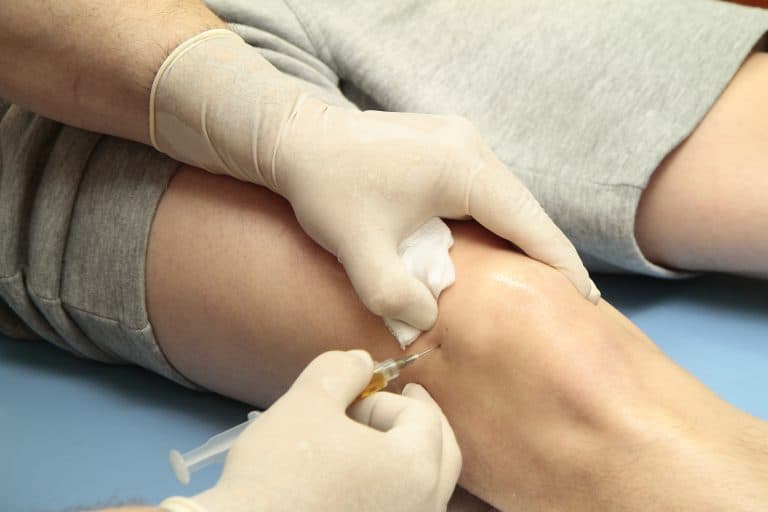



Hydrogel Cartilage Regeneration: Moving Beyond Topical Gels Towards Effective Joint Repair
Introduction
Cartilage damage in the joints is a common and often painful problem that affects millions of people. It can cause stiffness, swelling, and reduced movement, making everyday tasks a struggle. Many individuals rely on topical gels to ease the pain temporarily, but these only mask symptoms—they don’t heal the damaged cartilage itself. Luckily, advances in medical science are offering exciting new solutions designed not just to relieve pain, but to repair and regenerate the damaged tissue. This article explores how hydrogel technologies are leading the way in cartilage regeneration, providing hope for lasting joint repair.
What Are Hydrogels and Why Are They Important for Cartilage Repair?
Hydrogels are soft, jelly-like materials made up mostly of water, resembling the natural environment found in our body’s tissues. Their unique structure allows them to hold a large amount of water while remaining flexible, which makes them excellent candidates for medical use, especially in joint repair.
In cartilage regeneration, hydrogels act as scaffolds—think of them as supportive frameworks that help new cells grow and organise themselves within damaged areas. This scaffold encourages the body’s own cells to repopulate the cartilage, helping to restore healthy tissue. The concept behind hydrogel cartilage regeneration moves beyond pain relief; it aims to restore the joint’s function and durability, offering patients real healing rather than just temporary comfort. Scientists are continuously improving these materials to make treatments more effective and natural.
Modern Cartilage Repair Technologies and Minimally Invasive Techniques
There are several well-established treatments that use hydrogels to support cartilage repair. One such method is Autologous Chondrocyte Implantation (ACI). This involves taking cartilage cells from the patient, growing them in a lab, then re-implanting them into the injury site with the aid of a hydrogel scaffold, which helps the cells thrive.
Another emerging approach uses cell-free collagen-based hydrogels, such as ChondroFiller. This “liquid matrix” fills cartilage defects and encourages the body’s own cells to repair the damaged tissue. As one study explains, “ChondroFiller liquid, a liquid cell-free collagen matrix, [is used] for the treatment of symptomatic full-thickness chondral defects of the hip in a 1-step arthroscopic procedure.”
These procedures are typically minimally invasive, often performed through small incisions with the help of an arthroscope (a tiny camera), which reduces recovery times and limits tissue damage.
It’s important to understand that such medical treatments differ greatly from the over-the-counter “regrow joint cartilage gels” widely marketed to consumers. While topical gels only relieve pain on the surface, hydrogel therapies are carefully placed inside the joint to stimulate real tissue regeneration.
Free non-medical discussion
Not sure what to do next?
Information only · No medical advice or diagnosis.
What Does the Research Say About Hydrogel Cartilage Regeneration?
Clinical studies and trials offer encouraging evidence about the effectiveness of hydrogel-based cartilage repair. For example, a controlled study on knees treated with ChondroFiller found that “the implant shows a perfect integration to the adjacent cartilage right from the beginning and by time an impressive maturation of the reconstructed cartilage.” Patients reported significant improvements in knee function within months, with no adverse side effects reported.
Researchers also stress the importance of precise delivery: “the distance between the tip of the needle and the area to be filled should be minimal to ensure full contact with the chondral lesion.” This precise placement helps maximise the treatment’s effectiveness.
Beyond these scaffold-based treatments, scientists are exploring the addition of stem cells or growth factors to hydrogels to further boost tissue repair, representing the exciting future of cartilage healing. Still, many of these advanced approaches are experimental and available only in specialised centres.

The Value of Expert Care and Specialist Clinics
Treating cartilage damage is complex and requires tailored medical care. Professor Paul Lee, for example, is a respected orthopaedic and rehabilitation expert who leads advanced cartilage repair efforts at the London Cartilage Clinic. Clinics like these combine cutting-edge technology with personalised care, giving patients the best chance of successful recovery.
If you’re considering cartilage repair treatments, seeking advice from knowledgeable specialists is crucial. They can provide thorough assessments, recommend appropriate treatments, and offer the support needed through the recovery process.
Visualising How Hydrogel Cartilage Repair Works and What Patients Should Know
Picture the hydrogel scaffold as a sponge-like structure gently placed inside the damaged cartilage area. This porous matrix supports new cells as they attach and grow, gradually healing the defect with fresh tissue. Simple illustrations can help people grasp this process, emphasising the scaffold’s role in guiding repair.
For patients, it’s important to approach these treatments with clear and realistic expectations. Hydrogel-based cartilage repair is promising but still evolving and may not be suitable for everyone. Factors such as the size and location of the cartilage injury, overall joint health, and lifestyle will influence the best course of action. Consulting with medical experts ensures you get personalised advice based on your needs.
Conclusion and Responsible Advice
Hydrogel cartilage regeneration is transforming the way joint damage is treated. It offers a promising alternative to temporary pain relief by focusing on actual tissue repair and renewal. Despite rapid advances, these procedures remain complex and should be managed by experienced clinicians within specialised centres.
Above all, if you have joint pain or cartilage damage, always seek advice from a qualified healthcare professional to explore the best option for your situation.
For individual medical advice, please consult a qualified healthcare professional.
References
Corain, M., Zanotti, F., Giardini, M., Gasperotti, L., Invernizzi, E., Biasi, V., & Lavagnolo, U. (2023). The Use of an Acellular Collagen Matrix ChondroFiller® Liquid for Trapeziometacarpal Osteoarthritis. Journal of Knee Surgery, Sports Traumatology, Arthroscopy. https://doi.org/10.1177/19476035251354926
Perez-Carro, L., Rosi Mendoza Alejo, P., Gutierrez Castanedo, G., Menendez Solana, G., Fernandez Divar, J. A., Galindo Rubin, P., & Alfonso Fernandez, A. (2021). Hip Chondral Defects: Arthroscopic Treatment With the Needle and Curette Technique and ChondroFiller. Arthroscopy Techniques. https://doi.org/10.1016/j.eats.2021.03.011
Schneider, U. (2016). Controlled, randomized multicenter study to compare compatibility and safety of ChondroFiller liquid (cell free 2-component collagen gel) with microfracturing of patients with focal cartilage defects of the knee joint. https://doi.org/10.5348/VNP05-2016-1-OA-1
Frequently Asked Questions
- Hydrogel therapies, unlike topical pain-relief gels, are placed inside the joint to support real tissue regeneration. At London Cartilage Clinic, Prof Paul Lee utilises these advanced technologies to encourage genuine healing, rather than simply masking pain temporarily.
- London Cartilage Clinic is led by renowned cartilage expert Prof Paul Lee, a surgical ambassador and advisor with the Royal College of Surgeons of Edinburgh. The clinic combines cutting-edge technologies and personal care, offering patients evidence-based solutions for cartilage injuries.
- Prof Paul Lee is a leading authority in cartilage repair, with international recognition as a Regional Surgical Ambassador and Advisor. His experience ensures patients receive individualised, evidence-led assessments and the latest treatments at the London Cartilage Clinic.
- Not every patient is suitable for hydrogel treatments. Suitability depends on injury location, size, joint health, and lifestyle. Prof Paul Lee and his team offer expert consultation to assess your needs and guide you towards the most effective therapies available.
- Patients at London Cartilage Clinic benefit from minimally invasive, tailored procedures led by Prof Paul Lee. The latest hydrogel techniques are used to support healing, but precise treatment details are personalised following thorough expert assessment and discussion.
Legal & Medical Disclaimer
This article is written by an independent contributor and reflects their own views and experience, not necessarily those of London Cartilage Clinic. It is provided for general information and education only and does not constitute medical advice, diagnosis, or treatment.
Always seek personalised advice from a qualified healthcare professional before making decisions about your health. London Cartilage Clinic accepts no responsibility for errors, omissions, third-party content, or any loss, damage, or injury arising from reliance on this material.
If you believe this article contains inaccurate or infringing content, please contact us at [email protected].
London Cartilage Clinic
Modern treatments, designed for lasting knee outcomes
Every treatment plan is selected to help you return to the quality of life you deserve. Our team combines up-to-date techniques with consultant-led decision making across cartilage repair, regeneration and replacement.
What your journey can look like
Step 01
Consultant-Led Assessment
Symptoms, imaging and goals reviewed in one structured appointment.
Step 02
Personalised Treatment Plan
A clear route chosen from repair, regeneration or replacement options.
Step 03
Precision Delivery
Modern techniques and specialist equipment matched to your diagnosis.
Step 04
Long-Term Knee Health
Follow-up guidance focused on durable function and quality of life.
PAAG-8+ Questionnaire
A bright, structured entry point for patients exploring Arthrosamid. The questionnaire helps frame suitability, expectations, and 24-month clinical benefit discussion before a fuller consultant-led review.
Designed for shared decision-making. It does not replace specialist consultation, examination, imaging review, or formal medical advice.